
Eczema Treatment
Effective, Lasting Relief for Eczema-Prone Skin
Eczema is a common yet deeply personal condition. For some, it appears as a few persistent dry patches. For others, it’s a daily struggle with itching, redness, or even pain that interferes with sleep and comfort. Whether mild or severe, eczema can affect your confidence, your focus, and your overall quality of life.
Dr. Gurgen understands the real impact eczema has—not just on your skin, but on your well-being. With a deep background in treating complex skin conditions, he offers solutions that go beyond managing symptoms. His goal is to help you reclaim healthy skin and renewed comfort through treatments that work with your body, not against it.
What Is Eczema?
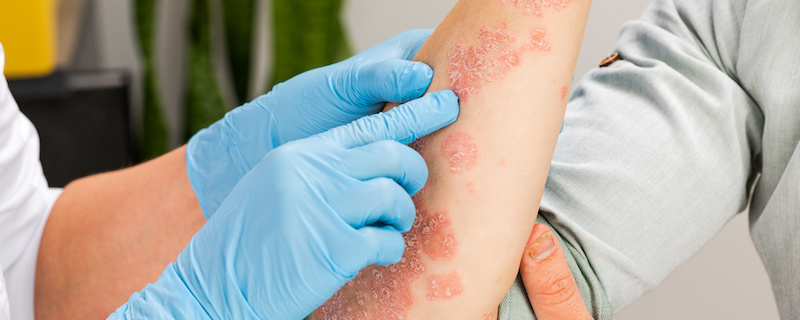
Eczema is an overarching term used to describe a group of chronic skin conditions. It’s also commonly known as dermatitis. These conditions tend to cause inflammation and irritation, often resulting in visibly dry, crusty, or itchy skin. It’s especially common on areas like the arms, hands, face, and the backs of the knees, though it can appear anywhere on the body.
While eczema isn’t contagious, it can be persistent and unpredictable. It often flares up without warning and may be linked to environmental triggers, stress, or even certain foods. In some cases, eczema appears alongside other health issues—particularly asthma or allergies—which makes it even more important to seek personalized medical care.
Common Forms of Eczema
Eczema doesn’t look the same for everyone. Several different types exist, and they may require different approaches to care. The most frequently seen types include:
- Atopic Dermatitis: The most common form, usually starting in childhood. This type is closely linked to allergies and asthma and tends to run in families.
- Contact Dermatitis: Occurs when the skin reacts to an irritant or allergen, such as a detergent or fragrance.
- Dyshidrotic Eczema: Characterized by small, itchy blisters that commonly appear on the hands and feet.
- Nummular Eczema: Appears as round, coin-shaped spots on the skin that may ooze or become crusty.
- Seborrheic Dermatitis: Often affects oily areas like the scalp or sides of the nose, producing flaky, greasy scales.
Understanding which type of eczema you’re dealing with is a critical step toward long-term control and comfort. Dr. Gurgen uses diagnostic tools and patient history to determine the form and root cause of your condition.
What Eczema Feels and Looks Like
Symptoms of eczema can range from mildly irritating to extremely disruptive. Most people experience intense itching that worsens at night. But eczema often includes much more:
- Redness and swelling
- Discoloration or darkening of affected areas
- Flaky or cracked patches of skin
- Blisters that may leak fluid and form scabs
- Thickened or leathery skin from chronic scratching
- Occasional bleeding or open sores
Because the condition is so visible, many patients also struggle with self-consciousness or stress, which can in turn worsen the skin. The cycle becomes hard to break without medical support.
What Causes Eczema?
There isn’t one single cause of eczema. Instead, it results from a combination of factors. Genetics may play a part—eczema is more common in people with a family history of allergies, hay fever, or asthma. But environmental and lifestyle elements also play a role.
Some of the more common eczema triggers include:
- Harsh soaps, detergents, or cleaning products
- Cold, dry weather or sudden temperature changes
- Emotional stress or anxiety
- Synthetic fabrics or wool
- Foods such as dairy, eggs, or nuts (in some cases)
Eczema may also be linked to underlying issues in the immune system. If your immune response becomes overactive, it can mistakenly attack your skin cells, leading to chronic inflammation. Dr. Gurgen considers all these factors when developing your treatment plan.
Diagnosing Eczema Correctly
A visual exam and patient history often provide enough information to confirm eczema. In some cases, additional tests—such as allergy patch testing—can be helpful in identifying specific triggers. If another condition is suspected, Dr. Gurgen may recommend a skin biopsy to ensure you receive the right diagnosis.
This personalized approach ensures that your treatment plan starts with a clear understanding of your skin and health history. It’s about more than putting a name to the problem—it’s about understanding how it works in your unique situation.
Treating Eczema with Proven, Personalized Methods
There’s no universal cure for eczema, but that doesn’t mean you have to live in discomfort. Dr. Gurgen uses a tailored mix of strategies to reduce inflammation, soothe itching, and help restore the skin barrier. His treatments are carefully selected to match your symptoms, lifestyle, and medical needs.
A typical treatment plan may include:
- Topical Corticosteroids: To quickly reduce inflammation during a flare-up.
- Non-steroidal Creams: Such as calcineurin inhibitors, for sensitive areas or long-term use.
- Moisturizing Therapy: Daily use of prescription-grade moisturizers to lock in hydration.
- Oral Medications: Antihistamines or immune-modulating drugs for severe or widespread eczema.
- Phototherapy: In some cases, controlled light treatments help reduce flare-ups safely and effectively.
Education is also central to Dr. Gurgen’s care. He’ll guide you in building a skincare routine that avoids irritants, locks in moisture, and supports healing from the inside out.
Managing Triggers and Preventing Flare-Ups
Living with eczema means learning how to manage it. Part of that involves understanding what sparks your flare-ups and avoiding those triggers whenever possible. With Dr. Gurgen’s support, you’ll develop daily habits that protect your skin and reduce future outbreaks.
These might include:
- Switching to unscented, dye-free skincare products
- Using a humidifier to add moisture to dry indoor air
- Wearing breathable, natural fabrics
- Limiting long, hot showers that dry out the skin
- Reducing stress through exercise, therapy, or mindfulness practices
It’s not just about healing the skin—it’s about breaking the flare-up cycle before it begins.
Why Patients Choose Dr. Gurgen
Eczema is often misunderstood. It’s more than dry skin. It’s a condition that can affect how you feel, sleep, and engage with the world around you. That’s why so many patients turn to Dr. Gurgen—not just for treatment, but for understanding, consistency, and results.
He approaches each case with the patience it deserves. There’s no rushing through appointments or applying generic solutions. Every diagnosis is supported by thoughtful analysis. Every treatment plan is developed with your goals and lifestyle in mind.
Take the First Step—Schedule a Free Consultation
If eczema has made you feel frustrated, uncomfortable, or overwhelmed, you’re not alone—and you’re not without options. Relief is possible. Healthier skin is achievable. And it starts with the right guidance.
Dr. Gurgen offers free consultations to help you explore your treatment options in a comfortable, pressure-free setting. You’ll get a chance to share your experience, ask questions, and walk away with a plan that brings your skin closer to balance and healing.
Schedule your consultation today—and take that first step toward lasting relief from eczema.
Services & Treatements
Other Services & Treatments
- Anti Aging
- Atopic Dermatitis
- Cysts
- Dandruff
- Drug Allergies
- Facial Rejuvenation
- Folliculitis
- Fungal / Yeast Infections
- Hair Disorders
- Hair Loss
- Impetico
- Insect Bites
- Itching
- Molluscum
- Rashes
- Red Spots
- Seborrheic Dermatitis
- Skin Diseases
- Skin Infections
- Sores
- Urticaria
- Vitiligo
Need Help?
If you can’t find the service you are looking for – Contact us for a full list of available dermatology services.